
How Dashboard Impact Can Cause Serious Knee Injuries in a Car Accident
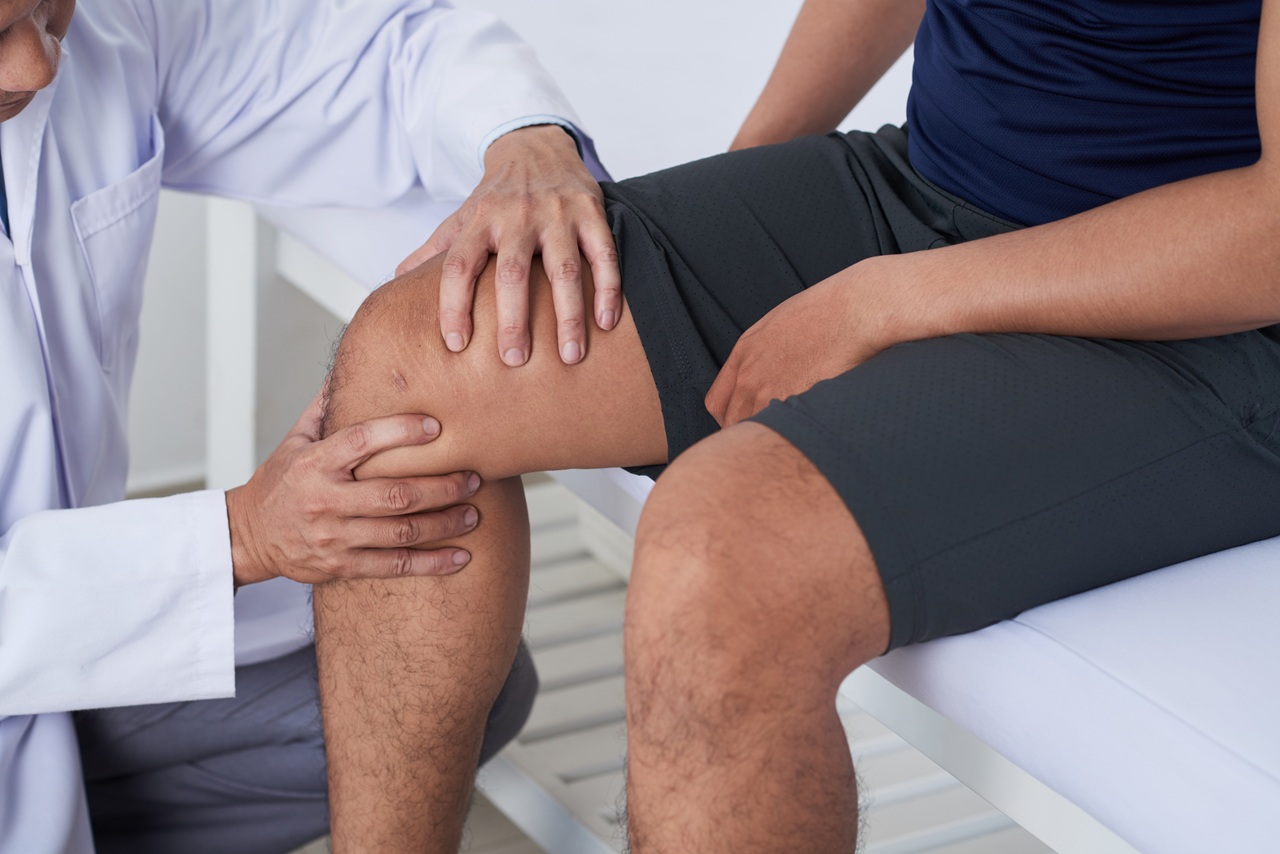
A Dashboard Impact Can Damage More Than One Part of the Knee
A car crash can throw your body forward in an instant. If your bent knee strikes the dashboard, the impact can injure ligaments, fracture the kneecap, damage cartilage, or send force farther up the leg toward the femur and hip.
One of the injuries most closely associated with this type of collision is damage to the posterior cruciate ligament, or PCL. The American Academy of Orthopaedic Surgeons specifically identifies a bent knee hitting a dashboard in a car accident as a common cause of PCL injury.
Our Jacksonville car accident lawyers at Pajcic & Pajcic know that a knee injury can affect much more than your ability to walk for a few weeks. Serious damage can interfere with your job, sleep, exercise, household responsibilities, and independence for months or longer.
What Happens When Your Knee Hits The Dashboard?
When a vehicle suddenly stops in a collision, your body may continue moving forward until the seat belt, airbag, dashboard, steering column, or another part of the vehicle stops it.
If your knee is bent when it strikes the dashboard, the impact can drive the tibia, or shinbone, backward in relation to the femur, or thighbone. That movement places substantial force on the PCL and other structures inside the knee.
The impact may damage several structures at once. A dashboard collision can cause a PCL tear, kneecap fracture, cartilage injury, or damage to other ligaments. The extent of the injury depends on many factors, including the force and angle of impact, the position of your leg, and whether other parts of the vehicle intruded into the passenger compartment.
A PCL Tear Is The Classic Dashboard Knee Injury
The PCL is one of four primary ligaments that stabilize the knee. It helps prevent the shinbone from sliding too far backward in relation to the thighbone.
A direct blow to the front of a bent knee can stretch or tear that ligament. Symptoms may include pain, swelling, stiffness, difficulty walking, or a feeling that the knee is unstable or may give way.
One important point is that a PCL tear doesn't automatically mean surgery.
The American Academy of Orthopaedic Surgeons notes that many isolated PCL injuries can respond well to nonsurgical treatment such as bracing and physical therapy. Surgery may become more likely when the accident damages multiple ligaments, causes a knee dislocation, or leaves persistent pain or instability despite conservative treatment.
That distinction matters in an injury claim. The diagnosis itself is only part of the story. How the knee responds to treatment and whether it regains stability can have a major effect on future medical needs and the overall impact of the injury.
The Dashboard Can Also Fracture Your Kneecap
The patella, better known as the kneecap, sits directly at the front of the knee and can absorb much of the force when the leg strikes the dashboard.
The American Academy of Orthopaedic Surgeons identifies striking the kneecap against a dashboard in a vehicle collision as a recognized cause of patellar fractures.
Some fractures remain aligned and can be treated with a cast, splint, or brace. When pieces of the kneecap are displaced and no longer line up properly, surgery is much more likely to be necessary to restore the joint.
A serious kneecap fracture can also leave lasting problems even after the bone heals. Possible complications include stiffness, weakness, reduced range of motion, chronic pain, and post-traumatic arthritis.
Several Knee And Leg Injuries Can Occur At The Same Time
One reason dashboard injuries can become complicated is that the impact doesn't necessarily stop after damaging one structure. A powerful collision can injure several areas of the knee and leg simultaneously.
Possible injuries include:
- PCL Injuries: The backward movement of the shinbone can stretch or tear the posterior cruciate ligament.
- Patellar Fractures: A direct blow can crack the kneecap or break it into multiple pieces.
- ACL and Other Ligament Tears: Twisting, hyperextension, or severe trauma can damage additional ligaments along with the PCL.
- Meniscus and Cartilage Damage: Compression and twisting can injure the cartilage that cushions and stabilizes the knee.
- Knee Dislocation: Extreme force can displace the bones of the knee from their normal alignment and damage several supporting structures.
- Femur and Hip Injuries: Force entering through the knee can travel upward, contributing to fractures or hip injuries.
Visible bruising around the knee can also accompany more serious damage. That's one reason severe bruising after a car accident shouldn't automatically be dismissed as a superficial injury.
A Normal X-Ray Does Not Rule Out Every Knee Injury
This is one of the most important practical points after a dashboard impact.
An X-ray can be extremely useful for identifying fractures, but ligaments and other soft tissues aren't evaluated the same way. The American Academy of Orthopaedic Surgeons notes that X-rays don't directly show PCL damage, whereas MRI provides better images of soft tissues, including ligaments.
That means someone can have substantial knee pain and instability even though the first X-ray doesn't show a broken bone.
Doctors may use several methods to evaluate a dashboard knee injury, including:
- Physical Examination: A doctor may evaluate swelling, range of motion, tenderness, instability, and abnormal movement of the knee.
- X-Ray: X-rays can identify fractures, bone alignment problems, and certain injuries where a ligament pulls away a piece of bone.
- MRI: An MRI can provide detailed images of the PCL, ACL, meniscus, cartilage, and other soft tissues.
- Additional Imaging: Doctors may order additional imaging when they need a more detailed view of a complicated fracture or other injury.
For an insurance claim, this also explains why the first emergency-room record doesn't always tell the whole story. Continued symptoms, follow-up examinations, specialist evaluations, and later imaging may reveal injuries that weren't obvious immediately after the crash.
Treatment Can Range From Bracing To Reconstructive Surgery
The treatment plan depends on exactly what was injured and how severe the damage is.
An isolated PCL injury may be treated with a brace, temporary use of crutches, and a structured physical therapy program. Rehabilitation can focus heavily on restoring motion and strengthening the muscles that support the knee.
A displaced kneecap fracture, multi-ligament injury, knee dislocation, or severe persistent instability may require surgery after a car accident.
Treatment for a serious dashboard knee injury may include:
- Bracing and Immobilization: A brace or splint may protect the knee while injured tissue or bone begins to heal.
- Physical Therapy: Rehabilitation may help restore strength, motion, balance, and stability.
- Ligament Reconstruction: Severe or persistent instability may lead a doctor to recommend surgical reconstruction of a damaged ligament.
- Fracture Repair: Displaced kneecap fractures may require screws, wires, plates, or other fixation methods to stabilize the kneecap.
- Follow-Up Care: Repeat examinations and imaging may be needed to monitor healing and identify complications.
- Long-Term Treatment: Some patients continue to deal with pain, weakness, stiffness, instability, or arthritis after the initial injury heals.
Recovery time can vary substantially. Full recovery after a serious ligament reconstruction can take many months, while the recovery from a patellar fracture also depends heavily on the severity of the break and whether surgery was required. More complicated injuries involving several structures can take longer.
Don't Ignore Knee Pain Because You Can Still Walk
A person with a serious knee injury isn't necessarily unable to stand or walk immediately after the collision.
Some ligament injuries are subtle. Swelling and stiffness may increase after the adrenaline of the crash wears off. A driver may even leave the scene believing the knee is simply bruised, only to notice instability or increasing pain later.
Getting prompt medical care matters for both your health and the documentation of your injury.
Florida's Personal Injury Protection law generally requires an injured person to receive initial medical services and care within 14 days after a motor vehicle accident to qualify for covered medical benefits under PIP.
Medical records also create a timeline showing when knee symptoms appeared, what doctors found, and how the condition progressed. A long unexplained gap in treatment can give an insurance company another argument to make about whether the crash actually caused the injury.
How Much Is A Dashboard Knee Injury Claim Worth?
There isn't a standard dollar amount for a PCL tear, kneecap fracture, or other dashboard injury.
The value of a claim depends on what happened to the individual person. A knee injury that heals with several weeks of treatment is very different from an injury requiring reconstruction, months away from work, and permanent restrictions.
Car accident compensation in Florida may account for losses such as medical expenses, lost income, reduced future earning capacity, and other financial consequences of the injury.
Pain and suffering involves another Florida-specific issue. Under Florida Statute § 627.737, noneconomic damages in covered motor vehicle cases are generally tied to statutory categories such as a significant and permanent loss of an important bodily function or a permanent injury within a reasonable degree of medical probability.
A serious knee injury may satisfy that standard depending on the medical evidence, but surgery by itself doesn't automatically decide the issue.
The Day-To-Day Limitations Can Matter As Much As The Diagnosis
Two people can have similar MRI findings and experience very different consequences.
A construction worker who can no longer kneel, squat, climb ladders, or carry materials may face a different financial future than someone whose job is primarily sedentary. A parent may struggle to lift a child. Someone who previously ran, played sports, gardened, or regularly climbed stairs may lose activities that were an important part of everyday life.
Those details can be easy to overlook if a claim is reduced to the words "PCL tear" or "patella fracture."
Keeping records of work restrictions, missed time, physical therapy, medication, activity limitations, and continuing symptoms can help document what the knee injury has actually taken away.
Insurance Companies May Focus On What The First Test Didn't Show
Insurance companies have financial reasons to minimize the value of injury claims. Our attorneys routinely deal with Florida car insurance companies that scrutinize medical records and challenge the nature, cause, or severity of injuries.
A knee case can create several opportunities for such a dispute.
The insurer may point to a normal initial X-ray even though an X-ray doesn't directly show a PCL tear. It may emphasize that you walked away from the crash, argue that later symptoms came from a pre-existing condition, or claim that months of treatment were unnecessary.
That's why the medical story needs to be complete. Imaging, orthopedic examinations, therapy records, work restrictions, prior medical records, and testimony about your actual limitations can all become important.
A Pajcic Car Accident Case Involved Knee Surgery And A Lost Career
One of our past Jacksonville car accident cases shows why the consequences of a knee injury can't be measured by the first medical bill alone.
Our client was injured when a taxi traveling the wrong way pulled in front of her and caused a fiery T-bone collision. Her injuries eventually required both knee and neck surgeries and contributed to the loss of her career as a Jacksonville corrections officer.
The liability carrier initially had only $125,000 in coverage available and refused demands to resolve the case for those limits. After extensive litigation, a jury returned a $1.4 million verdict. The full verdict was ultimately paid.
That case wasn't specifically a dashboard knee claim, and every accident and injury is different. It does show why knee surgery, future limitations, lost earning capacity, available insurance, and how an insurer handles a claim can all become important when determining what a serious injury case is really worth.
Our Jacksonville Car Accident Lawyers Can Build The Medical Evidence Behind Your Knee Claim
A dashboard knee injury can be much more complicated than a bruise on the front of your leg. A collision may damage bone, ligaments, cartilage, and other structures, while the full extent of the injury may not become clear until after additional examinations or imaging.
Our Jacksonville car accident attorneys at Pajcic & Pajcic can investigate the crash, obtain relevant evidence, review the available insurance coverage, document how the injury has affected your life, and build a claim that reflects both your current losses and reasonably supported future needs.
We've handled more than 12,000 cases and recovered more than $1.5 billion for our clients. But the numbers aren't what matter most when you're the person struggling to walk, work, or get your life back. You need attorneys who will listen to what happened and understand what the injury has actually cost you.
If you hurt your knee or suffered another serious injury in a Jacksonville car accident, contact us for a free consultation. We can review what happened, explain your legal options, and help you determine what steps to take next.
"We never had need of a lawyer before my wife was rear-ended and in need of surgery. We didn't know where to turn. We are so happy that Pajcic & Pajcic were recommended to us! From the first time we walked in, we were treated like family. Curtis Pajcic took on our case, and we couldn't have asked for anyone better... We highly recommend Pajcic & Pajcic!" - Fred P., ⭐⭐⭐⭐⭐